
therapy dogs

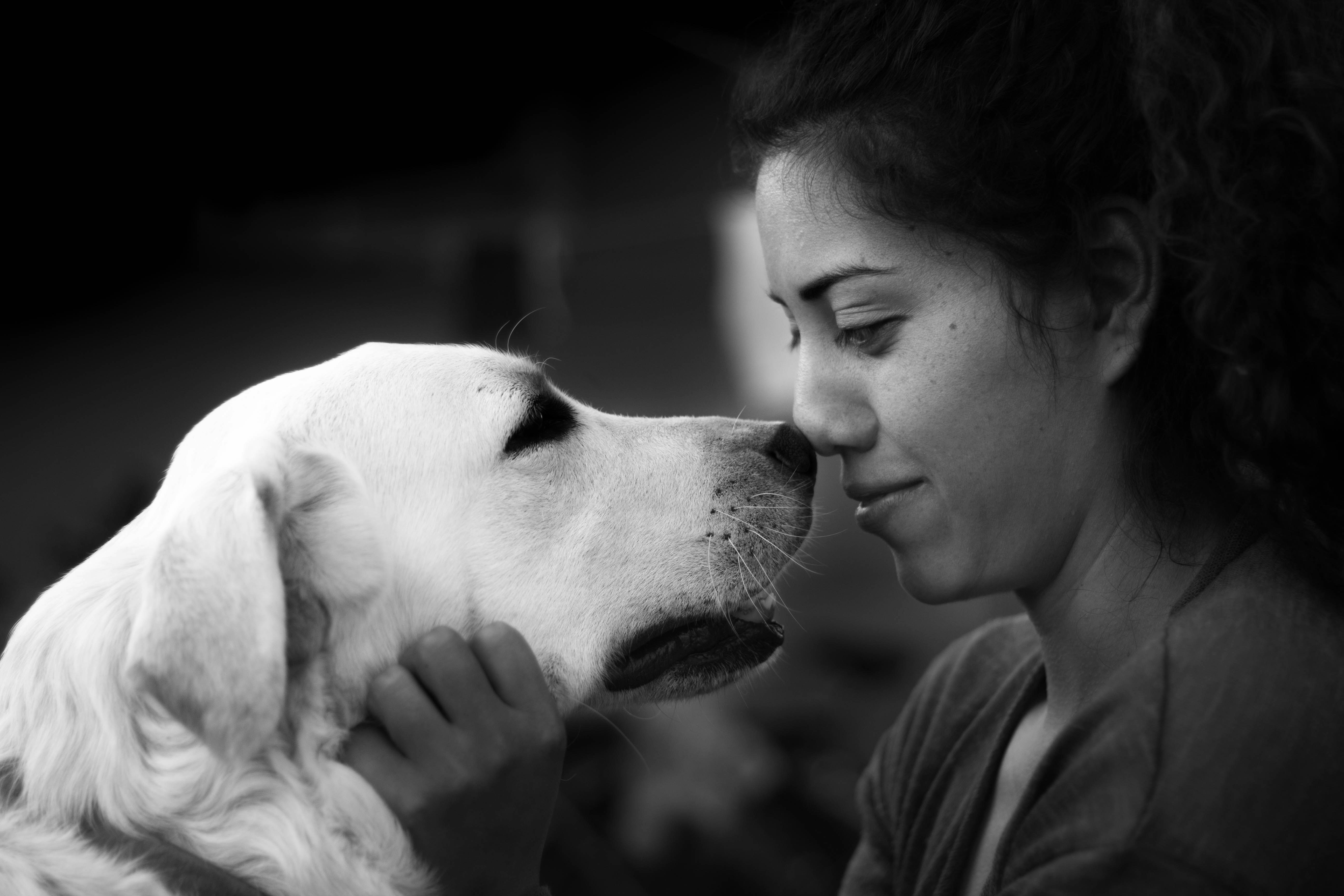
The Human-Animal connection
American Veterinarian Medical Association
“The human-animal bond is a mutually beneficial relationship between people and animals. It’s influenced by behaviors essential to the medical, physical, and social health and wellbeing of both.”
Photographer: Kevin Quezada
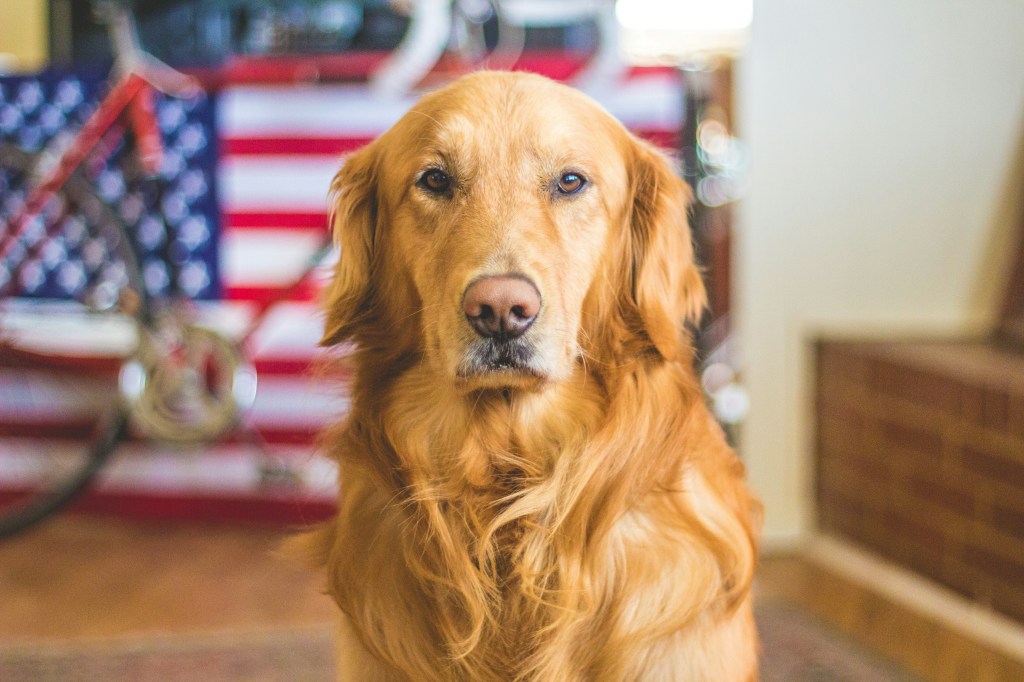
who benefits from animal-assisted interventions?
UCLA Health
“AAIs may be indicated for but not limited to patients of
all ages who need improvement in mood, motivation, self-esteem, and physical and psychological well-being. This includes men, women, and children of all ages who have had
the pertinent precautions and safety issues addressed. Specific medical indications include but are not limited to autism, dementia, chronic diseases, mental disorders, and neurological disorders including aphasia and epilepsy.”
Photographer: Caleb Fisher

Canine-assisted reading intervention
Psychology Today
A recent study showed that, “the canine-assisted reading support contributed to greater gains in both oral reading and reading comprehension scores than did the adult-intervention.”
Photographer: Vitaly Gariev

Therapy dogs in physical therapy
National Library of Medicine
“A therapy dog may enhance some aspects of exercise physiology service delivery, including serving as a social catalyst for client disclosure. A dog may be intentionally and actively engaged in the delivery of clinical exercise interventions.”
Photographer: Alev Katil
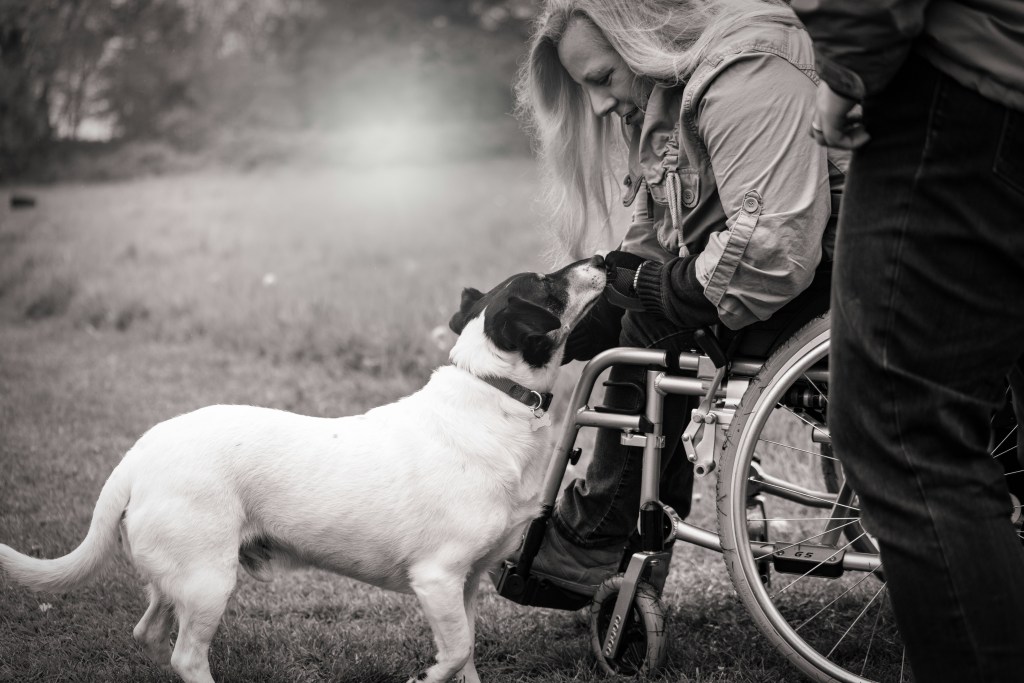
medical settings and therapy animals
Pet Partners
Therapy animals in medical settings result in decreased perception of pain, lower levels of anxiety and stress in patients, improved recovery rates, decreased fear and worry, and improved biobehavioral markers of stress.
Photographer: Magdalena Smolnika
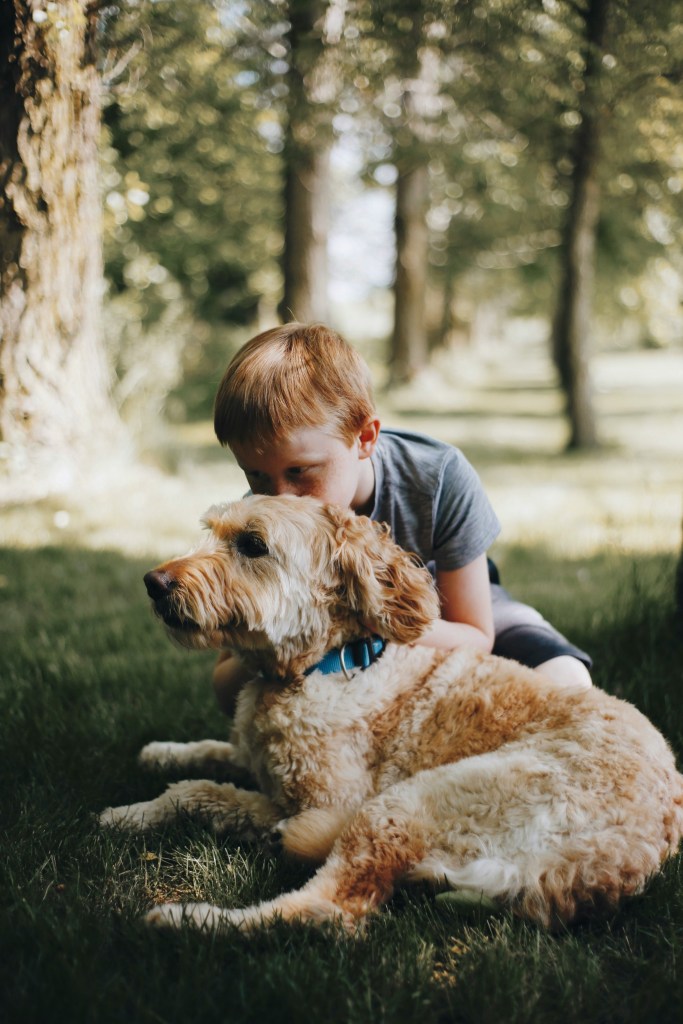
Dog assisted therapy
National Library of Medicine
Children who receive Dog Assisted Therapy (DAT) present lower levels of emotional and behavioral outburts. “The professionals DAT favors bonding, improves atmosphere, increases motivation, improves emotional self-regulation and helps improve communication and thus social interaction.”
Photographer: Nathan Hanna

Your Brain on dogs
National Library of Medicine
“Looking at a dog correlates with the lowest frontal activity, while passive contact with more and active stroking correlates with the highest frontal activity.” The frontal lobe manages high congnitive functions, such as emotions, memory, motor functions, and problem solving.
Photographer: De’Andre Bush

Walk with me program
Pet Partners
The Walk With Me initiative was developed in response to the Surgeon General’s Call to Action about walking for better health. We felt that this was a low cost, easily accessible animal-assisted activity that would promote the health of communities. We know that walking is good for us; health benefits of walking regularly include increased cardiovascular fitness, reduced risk of heart disease and stroke, stronger bones, and increased muscle strength. Adding a therapy animal to the mix is also supported by research.
Photographer: Tamas Pap

Benefits to high school students
Otterbein University
Therapy dogs are known for being uplifting and comforting companions. They provide unconditional love and don’t pass judgment, which can help athletes deal with the emotional highs and lows of their sport. The simple presence of a therapy dog can induce a calming and nurturing environment, which can decrease anxiety and stress levels. Furthermore, petting a dog can trigger the release of oxytocin, a hormone that promotes feelings of relaxation and love.
Photographer: Erica Magugliani

therapy dog-assisted social and emotional learning intervention
Journal of Research in Childhood Education
Children who received Animal-Assisted Therapy focusing on social and emotional well-being experienced empowerment through emotional learning, enhanced positive relationships, and increased personal growth.
Photographer: Terricks Noah
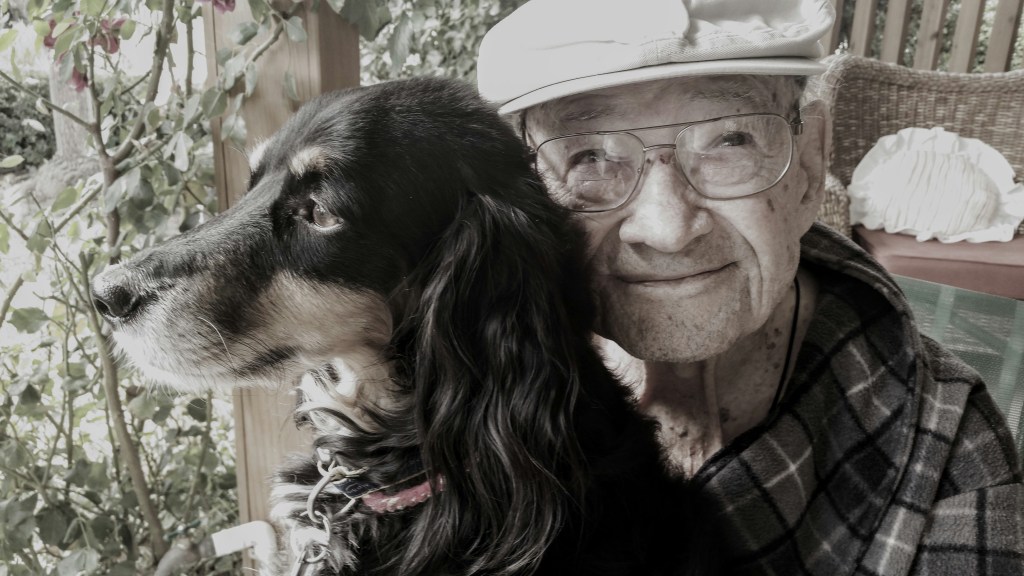
Benefits to Nursing home patients
Education Resources Information Center
Nursing home residents that regularly visited with a therapy dog had an increase in socialization, physical movement, increased general positivity. Residents were more energetic and exhibited higher levels of kindness while also receiving comfort themselves.
Photographer: Donna Cecaci

Benefits to athletes
Alliance of Therapy Dogs
Therapy dogs are known for being uplifting and comforting compa help athletes deal with the emotional highs and lows of their sport. The simple presence of a therapy dog can induce a calming and nurturing environment, which can decrease anxiety and stress levels. Furthermore, petting a dog can trigger the release of oxytocin, a hormone that promotes feelings of relaxation and love.
Photographer: Tim Mossholder

Benefits to college students
American Kennel Club
“… a single, drop-in session with a therapy dog can have a large and instant effect on the well-being of university students. And, even hours later, there are still positive effects in terms of reducing stress and feelings of negativity.”
Photographer: Helena Lopes
 story paws: A therapy dog organization